
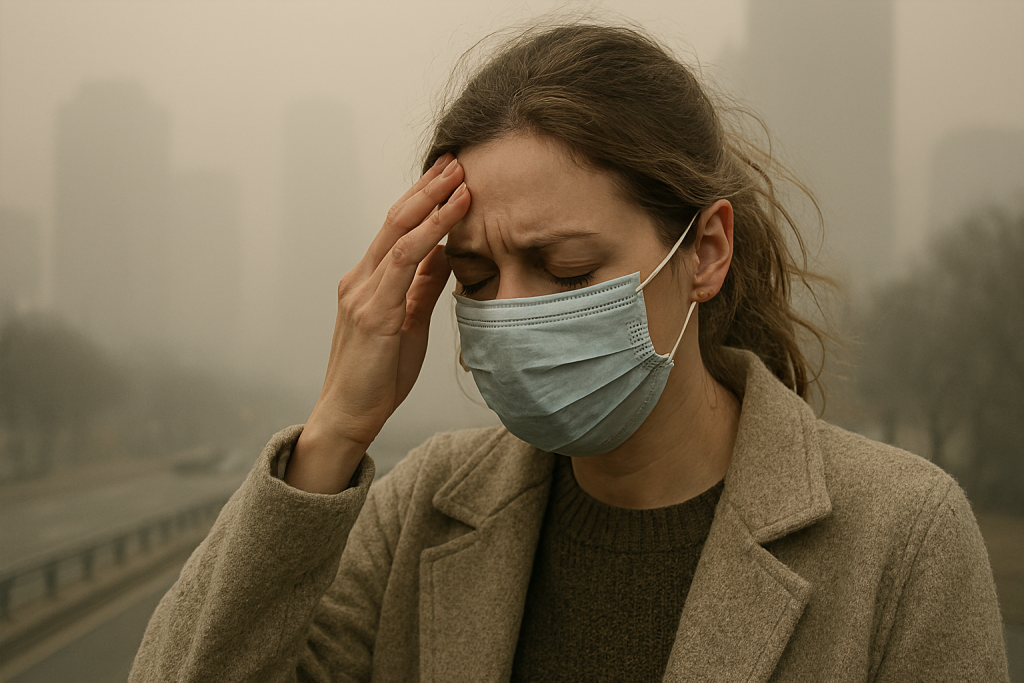
Air pollution on the body is usually visible in physical health, such as heart diseases, lung issues, allergies, and asthma. But, mental health can feel the impact too.
An emerging research even revealed that when we breathe unhealthy air, it can directly influence our emotional and mental well-being. So, you might suffer depression, cognitive problems and anxiety, due to this.
These issues are expected because we live in a world of industrial zones and traffic-heavy roads. But, being aware of what to do will leave you suffering less impact on your mental health. Let’s see how:
How to Safeguard Your Mental Health in Polluted Areas
Here are steps you can take to protect yourself from environmental pollutants:
- Monitor Air Quality Levels: Instead of breathing in polluted air and moving on with your life, you can use apps or local data to keep an eye on what you’re inhaling.
- Grow Plants Indoors: Brightening up your space and freshening the air around you can add freshness to your space. You can plant low-maintenance plants like peace lilies in your living space. It has natural air purifiers that can help to reduce pollutants and boost your mood.
- Advocate for Cleaner Energy: You may never know how far your voice can go unless you speak up. So, seeking support for greener city planning and cleaner energy can help to create a more sustainable environment.
Polluted Air Disrupts Brain Chemistry
Particulate matter (PM2.5) is an airborne particle that is quite hazardous. The thing is that they are invisible to the naked eye yet can cause mental health problems. The particles can enter the bloodstream and then the brain, triggering oxidative stress and inflammation.
Having excellent mental health is important, and you shouldn’t just let pollutants ruin it for you. Take for instance the neurotransmitters; dopamine and serotonin. They help to regulate motivation, emotional stability, and mood. Any disruption can lead to increased sadness, irritability, or unstable mood. This is why you need to be invested in everything clean energy. This way you can maintain good mental health.
Increased Risk of Depression and Anxiety
When an individual is exposed to long-term pollution, it can lead to higher risks of clinical depression, chronic anxiety, and stress-related disorders. This should be taken seriously because stress hormones like “Cortisol” can increase due to pollution, and if this happens, it can affect the areas of the brain that are responsible for regulating emotion.
It Impairs Cognitive Function
Some young children and older adults have issues with remembering things. However, this may only affect people living in high-pollution areas. Air pollution can really hinder brain development in children and increase the risk of Alzheimer’s and dementia in seniors.They may suffer slower reaction times, reduced memory retention, impaired decision-making, and difficulty concentrating.
Sleep Disturbances and Fatigue
Your quality of sleep can be measured by the state of your mental health. This means that breathing bad air will not only make you sick, but also make restful sleep hard to achieve. This occurs mainly due to tiny particles from pollutants causing unsettling feelings in the respiratory system. With this, breathing can be quite difficult at night, and you know what poor sleep can do to your health. It contributes to irritability, mood swings, poor focus, and increased risk of depression.
Sense of Well-Being Declines
If the environment you live in does not shape your mindset, it means you’re not really on this planet. Most people are victims of air pollution because they live in an area where it is persistent. Living in a nasty environment not only gradually lowers your sense of well-being but it can also make you feel less naturally relaxed because the air isn’t clean. The worst that can happen is psychological stress, due to unpleasant smells, smog-filled skies, and heavy traffic. Pollution in the environment air can also lead to lower motivation, causing you to do tasks unwillingly. It also reduces life satisfaction and causes social withdrawal.
Conclusion
Air pollution has always been an environmental threat. But it is more of a silent mental health disruptor than you’ll ever know. Here, you’ve seen how it can influence brain chemistry, trigger emotional stress, and impair cognitive functions. What you need to do is to safeguard your mind and the ecosystem, by first identifying this hidden threat.